Decision Theory and method
石婧 华中科技大学公共管理学院 Shi.jing@hust.edu.cn
结构化决策问题的类别
Decisions under certainty
are decisions made when one knows what the result of each act would be.
Decisions under uncertainty
are decisions made when one cannot assign a subjective probability to the possible results of any act.
Decisions under risk
are decisions made when one does not know the outcome of each act, yet can assign a subjective probability to the possible results of each act.
Important events and people
Relevant to game
In the 16-17 century, French palace has a gambling consultant who is the pioneer of probability theory and game theory
Core concepts
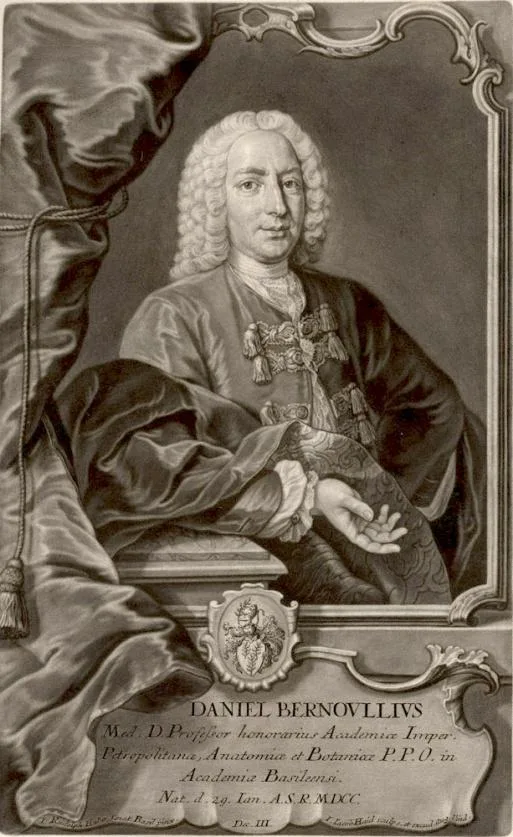
In 1738, Daniel Bernoulli proposed the concept of the utility and expected utility, used to explain gambling and insurance expectations
Subject establishment
After the 1920s, Decision theory separated from game theory
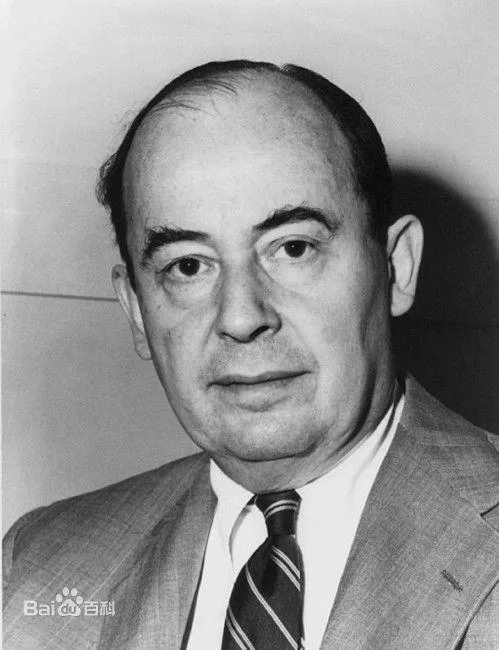
1944, Von Neumann(冯·诺依曼) and Oskar Morgenstern(摩根斯坦) proposed von Neumann-Morgenstern utility(效用值运算定理)
1950, L. J. Savage(萨维奇) established Bayesian decision theory
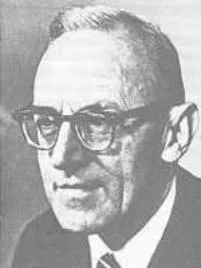
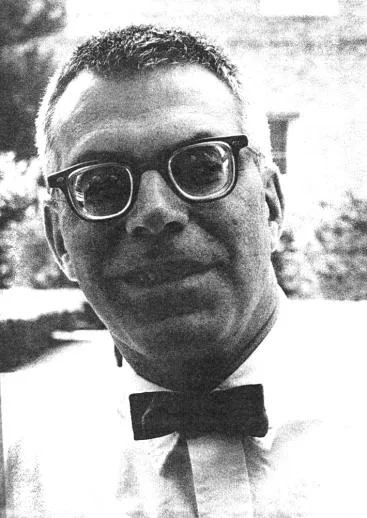
Behavior decision theory——Nobel Prizes in Economic Sciences
1978, Herbert Simon
Propose items “Bounded rationality”(有限理性) and “satisficing”(满意策略)
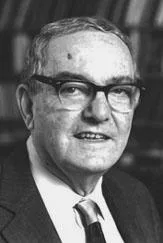
1988, Maurice Allais
Allais Paradox: show defect of expected utility theory
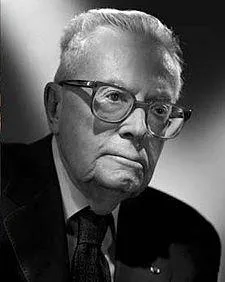
2002, Daniel Kahneman
for having integrated insights from psychological research into economic science, especially concerning human judgment and decision-making under uncertainty

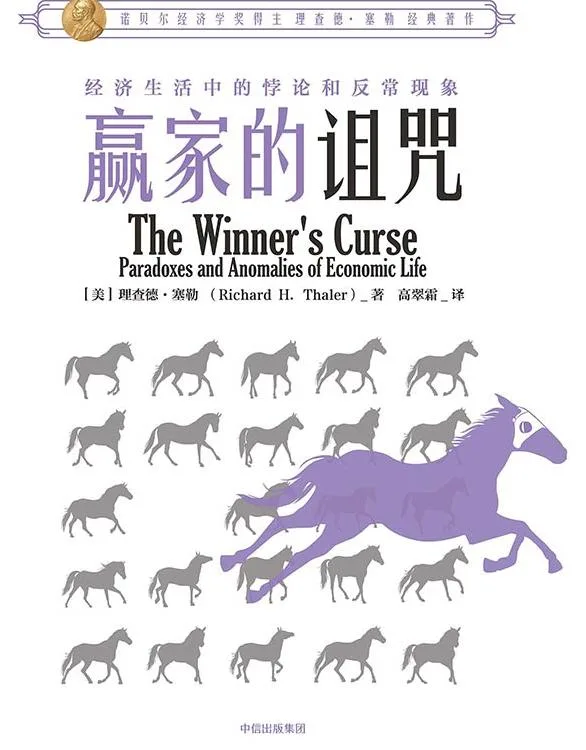
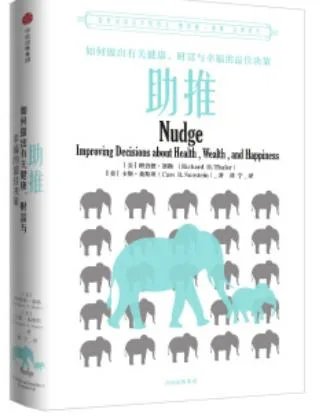
2017, Richard Thaler
主流经济学假设我们都有:
爱因斯坦一样的智商
计算机一样的记忆力
圣雄甘地一样的意志力
到最后,这种假设发展成了经济学家的信仰。
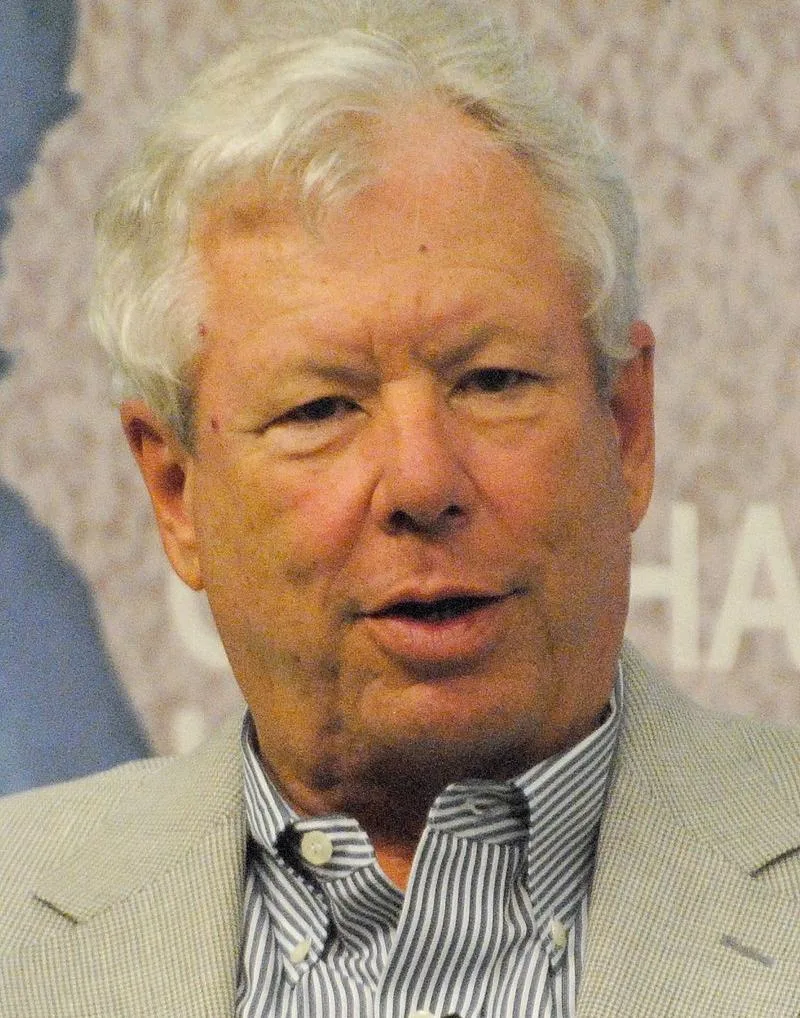
推荐阅读:Richard Thaler 的三本著作。

Decisions under certainty
Decision under uncertainty
演唱会时间:2013 年 03 月 30 日
演唱会场馆:武汉光谷体育馆
演唱会票价:280\380\480\680\880\1080 元

Decision under uncertainty
Ø Maximax(乐观) Ø Maximin(悲观) Ø Minimax regret(后悔值) Ø Optimism-pessimism index(乐观系数) Ø Insufficient reason(等可能)
A decision problem
The city planned to find a place to build a new airport
Possible addresses are A / B
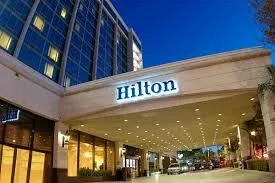
Hilton wants to expand and build a new hotel Nearby.
Obtaining necessary information
Set up your target and evaluation criteria
Maximize profits
Statue of nature
Airport at A or airport at B
Find possible alternatives
Hilton chooses a location at A;B;A and B;none Construct a decision matrices!!!
Matrice
决策矩阵(方案 × 自然状态,收益 ):
| 方案 \ 自然状态 | S1 | S2 | … | Sn |
|---|---|---|---|---|
| A1 | U11 | U12 | … | U1n |
| A2 | U21 | U22 | … | U2n |
| … | … | … | … | … |
| Am | Um1 | Um2 | … | Umn |
Step 1. collect info.
| A | B | |
|---|---|---|
| The price of the land | 18 | 12 |
| the profit if the airport is built in this place | 31 | 23 |
| The price when you sell the land if the airport is not located here | 6 | 4 |
Step 2. calculate the value
| 方案 \ 机场选址处 | A | B |
|---|---|---|
| 在 A 处购买 | 13 | −12 |
| 在 B 处购买 | −8 | 11 |
| AB 都买下 | 5 | −1 |
| AB 都不买 | 0 | 0 |
Maximax
Choose the alternative which has the highest best possible outcome among all alternatives
| 方案 \ 机场选址处 | A | B | 各行最大值 |
|---|---|---|---|
| 在 A 处购买 | 13 | −12 | 13 |
| 在 B 处购买 | −8 | 11 | 11 |
| AB 都买下 | 5 | −1 | 5 |
| AB 都不买 | 0 | 0 | 0 |
It is in general “difficult to justify the maximax principle as rational principle of decision, reflecting, as it does, wishful thinking”. (Rapoport 1989, p. 57)
Drawback
| Alternative \ State of nature | 1 | 2 |
|---|---|---|
| A | 30 | −10000 |
| B | 29 | 29 |
Maximin
Choose the alternative that has the maximal security level. In other words, maximize the minimal outcome.
The maximin principle was first proposed by von Neumann as a strategy against an intelligent opponent. Wald (1950) extended its use to games against nature.
| 方案 \ 机场选址处 | A | B | 各行最小值 |
|---|---|---|---|
| 在 A 处购买 | 13 | −12 | −12 |
| 在 B 处购买 | −8 | 11 | −8 |
| AB 都买下 | 5 | −1 | −1 |
| AB 都不买 | 0 | 0 | 0 |
Drawback
| 方案 \ 自然状态 | 1 | 2 |
|---|---|---|
| A | 10000 | 28 |
| B | 29 | 29 |
Minimax regret aka. 萨维奇准则
Choose the alternative with the lowest maximal regret
to minimize maximal regret
introduced by Savage 萨维奇 (1951, p. 59).
Build a regret matrix from original matrix, and choose the alternative with the minimal “maximal regret”.
original matrix
| 方案 \ 机场选址处 | A | B |
|---|---|---|
| 在 A 处购买 | 13 | −12 |
| 在 B 处购买 | −8 | 11 |
| AB 都买下 | 5 | −1 |
| AB 都不买 | 0 | 0 |
regret matrix
| 方案 \ 机场选址处 | A | B | 各行最大后悔 |
|---|---|---|---|
| 在 A 处购买 | 0 | 23 | 23 |
| 在 B 处购买 | 21 | 0 | 21 |
| AB 都买下 | 8 | 12 | 12 |
| AB 都不买 | 13 | 11 | 13 |
Optimism-pessimism index aka. 赫维茨准则
The decision-maker is required to choose an index between 0 and 1, that reflects his degree of optimism or pessimism.
The α-index of A is calculated according to the formula:
A trade-off way between pessimism and optimism
It is often called the Hurwicz α index, since it was proposed in a paper by Hurwicz(赫维茨) in 1951
,各方案折中值:
| 方案 \ 机场选址处 | A | B | 折中值 |
|---|---|---|---|
| 在 A 处购买 | 13 | −12 | 0.5 |
| 在 B 处购买 | −8 | 11 | 1.5 |
| AB 都买下 | 5 | −1 | 2 |
| AB 都不买 | 0 | 0 | 0 |
Insufficient reason
Transform the decision problem from uncertainty to risk
This principle states that if there is no reason to believe that one event is more likely to occur than another, then the events should be assigned equal probabilities.
First formulated by Jacques Bernoulli (1654–1705).
四条古典准则,四种性格
| 准则 | 核心逻辑 | 一句话口诀 |
|---|---|---|
| 乐观法(大中取大 Maximax) | 比较各方案的最好结果,从中再选最优 | 只盯着最好的可能 |
| 悲观法(小中取大 Maximin) | 比较各方案的最差结果,从中再选最优 | 先问最坏能有多坏 |
| 折中法(赫维茨准则) | 用乐观系数 α 加权最好与最差结果 | 既不全信,也不全疑 |
| 最小后悔值(萨维奇准则) | 比较各方案的“事后后悔值”,选最大后悔最小的 | 选错了也最不难过的 |
折中法的计算式:
另有等可能法(拉普拉斯准则):假设各状态概率相等。信息过载时代你无法对所有信息一视同仁,它最先失效——后文详述。
数字时代人人都是不确定型决策者
数字时代不确定型决策的新特征:
信息过载:每天面对的信息量远超处理能力,无法逐一核实,必须“赌”着筛选。
真伪难辨:大量谣言,阴谋论,AIGC 的视频图片。
选项爆炸:商品、路线可选项空前丰富,而评价信号本身还可能被操纵。
场景一 · 信息获取与真相判断
多个版本摆在你面前,“真相”是哪种状态?
情境设定:一条突发新闻,微博、抖音、朋友圈出现多个相互矛盾的版本。
| 决策方法 | 用户行为表现 | 例子 |
|---|---|---|
| 乐观法 | 直接采信最符合自己预期的版本 | 官方通报太保守了,我相信那个‘内部人士’的爆料 |
| 悲观法 | 默认所有未经核实的信息都不可信 | 让子弹飞一会儿,官方没确认前什么都不信 |
| 折中法 | 部分采信,给每个版本标注可信度等级 | 这个有视频佐证,可信度 60%;那个只是聊天记录,可信度 20% |
| 最小后悔值 | 选择“即便错了代价也最小”的信息策略 | 我不转发,只围观。万一反转了,至少我没参与传谣 |
算法茧房让乐观法更危险——你看到的“最好情况”,往往是算法推给你的同温层回声。
信息过载让等可能法失效——你无法真的对所有信息一视同仁地处理。
情绪极化让折中法最难执行——平台的设计就是让你选边站,而非理性权衡。
场景二 · 购物选择
付款之前,商品的真实质量永远未知。
情境设定:直播间下单一款网红产品,评价两极分化,信号还可能被刷单操纵。
| 决策方法 | 用户行为表现 | 例子 |
|---|---|---|
| 乐观法 | 只看最佳结果,冲动下单 | 万一是真好用呢?首发限量,错过就没了 |
| 悲观法 | 锁定最差结果可承受才行动 | 只买销量最高的经典款,只走有运费险和七天无理由的渠道 |
| 折中法 | 给好评率、价格、测评加权打分 | 好评率 92%,三个测评博主两个推荐,这个值得赌 |
| 最小后悔值 | 选择“买错了也不心疼”的方案 | 先买小规格试用装,踩雷损失最小 |
支付矩阵被平台改写——运费险、先用后付把最差结果的损失压到接近零,悲观法的门槛被人为降低,反而刺激下单。
乐观法被话术工业化——“全网最低价”“最后 100 单”,在刻意屏蔽你对悲观状态的感知。
后悔值被社交放大——一次冲动消费可能变成朋友圈里的“翻车现场”,最小后悔准则的权重在上升。
场景三 · 求职与职业发展
斜杠模式,本质是折中法的普及化。
情境设定:主业稳定,但看到自媒体、电商、接单平台上的副业机会。
| 决策方法 | 用户行为表现 | 例子 |
|---|---|---|
| 乐观法 | all-in 新机会 | 辞职做全职博主,赌风口 |
| 悲观法 | 死守确定性 | 副业都是幸存者偏差,保住编制要紧 |
| 折中法 | 主业保底 + 副业试探 | 每天两小时做账号,跑通变现模型前不辞职 |
| 最小后悔值 | 选“两头都不至于太后悔”的路径 | 先请长假试三个月,不行还能回去 |
平台经济大幅降低了折中法的执行成本——过去“试探一个新方向”往往需要辞职,如今只需要一部手机。
数字时代没有淘汰古典准则,而是改写了它们的适用条件
01 概率可以“后验获取”:搜索、事实核查、AI 助手、实时数据,让不确定型决策随时可能转化为风险型决策。新的决策问题变成:花多少成本获取概率信息才值得?
02 算法在替你选择准则:推荐系统默认把你推向乐观法(同温层回声),消费话术也在放大乐观预期——你以为自己在自主决策,实际准则可能已被平台预先选定。
03 后悔成本不对称,且被永久化:截图、存档、传播,让一次错误转发或冲动消费的后悔值远超过去。这让最小后悔准则的解释力空前增强——“让子弹飞一会儿”正是它的民间表达。
“决策自检清单”
我此刻在用哪条准则?是我自己的选择,还是平台替我选的?
最差结果是什么,我能否承受?(悲观法自检)
我看到的“最好情况”,有没有被算法过滤过?(乐观法自检)
值不值得先花成本获取概率,再做决定?(不确定性转化自检)
如果错了,后悔值能否承受、会不会被永久记录?(最小后悔自检)
不确定无法消除,但准则可以选择。
Practice 1
| Alternative \ State of nature | 1 | 2 | 3 |
|---|---|---|---|
| A | 140 | 120 | 80 |
| B | 200 | 150 | 40 |
| C | 340 | 140 | −20 |
Maximax, Maximin, Minimax regret
Regret matrix
| 方案 \ 自然状态 | 1 | 2 | 3 | 各行最大后悔 |
|---|---|---|---|---|
| A | 200 | 30 | 0 | 200 |
| B | 140 | 0 | 40 | 140 |
| C | 0 | 10 | 100 | 100 |
Insufficient reason(等可能法,三状态各 1/3):
| 方案 \ 自然状态 | 1 | 2 | 3 | 期望值 |
|---|---|---|---|---|
| A | 140 | 120 | 80 | 113.3 |
| B | 200 | 150 | 40 | 130 |
| C | 340 | 140 | −20 | 153.3 |